Denture Relines & Rebases in Richmond, BC
Restore the fit and comfort of your dentures without replacing them
What Are Denture Relines & Rebases?
As you age, your gum tissue and underlying bone naturally change shape — and your dentures change with them. Over time, dentures can become loose, cause movement in your mouth, or create sore spots. Having your dentures professionally relined or rebased restores a secure, comfortable fit without the cost of entirely new dentures.
Having your dentures professionally relined or rebased restores a secure, comfortable fit without the cost of entirely new dentures. The procedure depends on the condition of the existing teeth. Severely worn teeth cannot be relined.
Please note: We may not reline or rebase another practitioner’s work.
Restore the fit
How Denture Relines Work
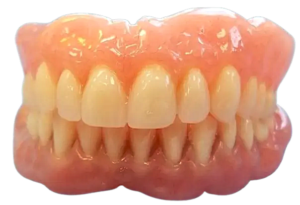
A reline is needed when natural bone and tissue shrinkage causes your denture to loosen. We take an impression of your oral tissue inside your existing denture, then add new acrylic base material for a snug, accurate fit — the appearance of your denture stays exactly the same.
Common reasons for a reline
Natural tooth loss
Weight loss
Bone loss in the upper or lower jaw
Illness or disease
Rebuild the base
How Denture Rebases Work
A rebase goes further than a reline — it replaces all of the pink acrylic base material while keeping your existing teeth in exactly the same position. It’s typically recommended when the base is cracked, weakened, or significantly worn.
For both relines and rebases, your bite position and existing teeth must be in satisfactory condition. The look and teeth of your denture do not change.
Common reasons for a rebase
A broken or cracked denture
A weakened or aging denture base
Transitioning an immediate denture
Frequently Asked Questions
When a person has worn dentures for as many years as you have without relining regularly (every two to three years), paths and facets are worn into the tops (occlusals) of the artificial teeth. These paths and facets are created from chewing. The extenuating circumstances however are that the paths and facets were created when the bases were not fitting as positively as they could have been. The resulting fact becomes that your chewing paths and facets work well when your dentures are in there current loose state, but once relined they create sharp forces that transmit onto the tissue surfaces, causing numerous and endless sore spots. This situation can be avoided by regular relining when looseness is first noticed or you begin having sore spots on the outside borders of your dentures. Sore spots in these places are an indicator that you have lost height on your gum tissues.